
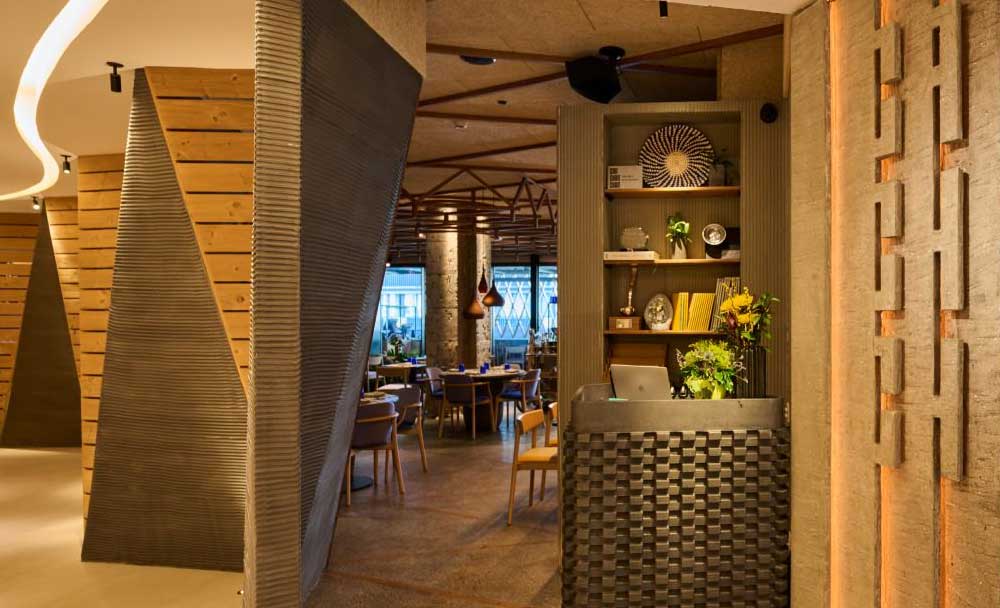
Restaurant design: spaces as ingredients for success
Restaurant design has become an essential ingredient for success. In a highly competitive market with abundant options, diners look not only for food but for a complete sensory experience, and the space plays a fundamental role. From layout to finishes and atmosphere, every aspect of a restaurant’s design influences how customers perceive it and their decision to return.
The power of atmosphere
Restaurant interior design is not just an aesthetic exercise: it also creates emotions. Colours, lighting, materials, and layout should be not only visually pleasing but also functional and welcoming. A coherent and well-executed design enhances the dining experience.
The layout: spaces that make a difference
Restaurant design must consider the flow of customers and staff. Waiting areas, dining spaces, and kitchens should be smoothly connected so that diners don’t feel cramped and staff can move efficiently. The flow of people should be logical and comfortable, allowing service to be quick and effective.
The importance of consistency with the restaurant’s identity
Restaurant interior design should align with the brand and culinary concept. A fine dining restaurant should reflect elegance and sophistication, while a fast food venue may opt for a modern, youthful, and functional design. The key is to convey the restaurant’s personality through the design of its spaces. This not only attracts the ideal customers but also reinforces brand image.
Current trends in restaurant design
Restaurant design has evolved significantly in recent years, with trends emphasising aesthetics, sustainability, and technology. Key trends for 2026 include:
- Biophilic design: integrating natural elements such as plants and wood to create relaxing and welcoming environments.
- Flexible spaces: areas that can adapt to different uses or service types (casual meals, fine dining, etc.).
- Use of technology: from automated lighting to digital menus and customer interaction through touchscreens.
- Minimalism and sustainability: simple yet elegant designs, using recycled and eco-friendly materials, with an increasing focus on real or perceived spaciousness.
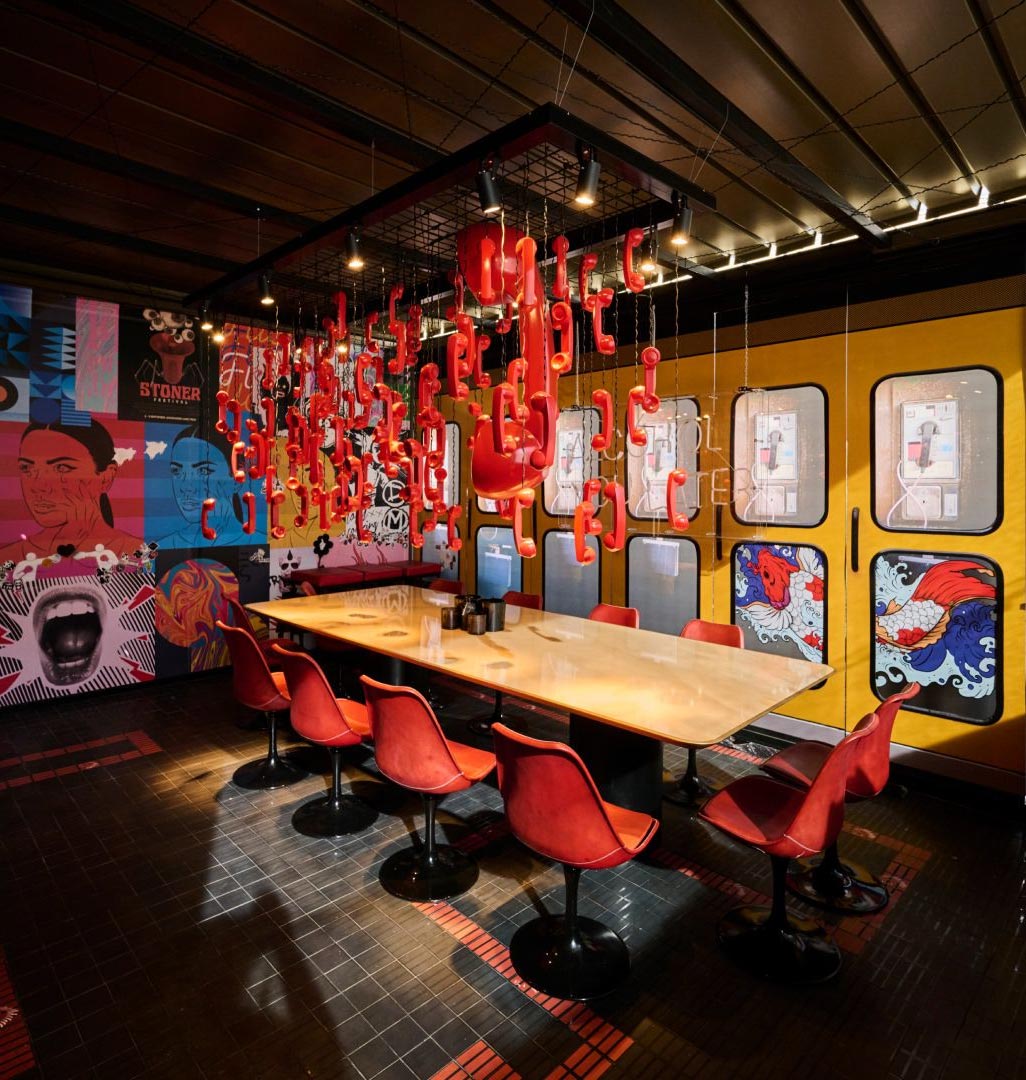
Moinsa, experts in restaurant design
Interior design for restaurants is much more than aesthetics; it is a key component for creating memorable experiences. The space can be the factor that determines the success of your restaurant.
Investing in quality interior designers is, without a doubt, investing in your restaurant’s future. Restaurant interior design is one of the main ingredients for achieving success.
Contact us for more information on restaurant interior design, or to request a no-obligation quote.