
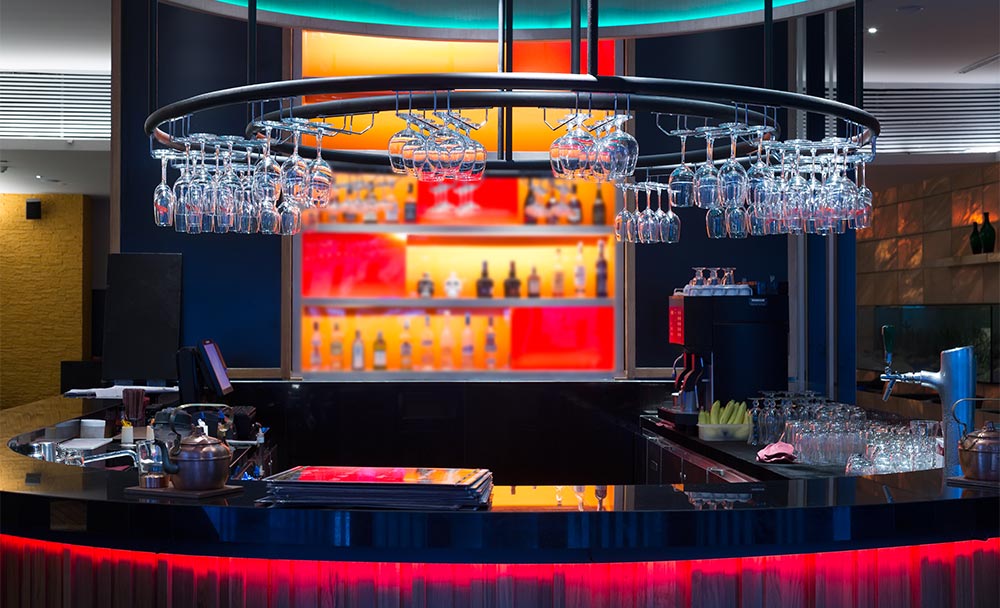
The key aspects of design in leisure spaces
In a leisure space, the difference between just being there and wanting to stay matters. That is why having larger premises, attractive décor or eye-catching furniture is not enough. When the goal is to create a place to enjoy, everything has to be designed so that the experience works: how people move around, what they see when they enter, where they stop, what atmosphere they find and what feeling they take away when they leave. That is what good design in leisure spaces is seeking.
The space is also part of the experience
A restaurant, a club, an entertainment venue, a family leisure area or any other leisure-related business has something in common: the customer is not just buying a product or service; they are looking to enjoy the moment, and with for that, the space has to be in sync.
In the design of leisure establishments, the layout should be intuitive, the lighting should create the right atmosphere and the materials, colours and textures should help to build a recognisable identity. This way, when everything fits, the customer has no need to think about the design, but just to enjoy it.
To achieve that naturalness in the interaction, many well-studied decisions have to be made.
Design with how the space is experienced in mind
One of the most common mistakes when starting a design project for leisure spaces is thinking only about how we want it to look, but before choosing a lamp or wall covering, there are many more important questions:
- How will the space be used?
- Which paths will it have?
- Which areas need more attention?
- Where will the waiting periods take place?
- How will the space act when it is full?
The design of leisure spaces must address these issues before focusing on aesthetics, since a space can look spectacular in a photograph but be very uncomfortable and not too functional when it is full of people.
What makes a leisure space different
There is no formula for creating a memorable space. In fact, trying to copy what works in other businesses can achieve just the opposite: that the project loses its personality. This is why good design seeks to thoroughly study the business and its essence in order to find what makes each concept special and turn it into a space. It could be a very well-defined brand identity, a specific experience, a particular way of relating to the public or simply a different way of understanding leisure.
From there, each element in the leisure space has a role:
- The layout, to make the space comfortable and easy to walk through
- The lighting, to create atmospheres and share different moments
- The materials and colours, to convey personality
- The furniture, to combine comfort, functionality and image
- The details, to give the experience something unique
It is not about adding more things; it is about choosing them better.
A beautiful space can attract attention. A well-designed one achieves much more.
The design of a leisure space has to be attractive, yes, but it also has to be functional, coherent and able to evolve with the business. When the project is well planned, the space can become a fundamental part of the brand experience.
Your leisure establishment would be a place that someone photographs, recommends, remembers and wants to return to. This does not happen by chance; behind a space that seems easy to enjoy, there is a project that has considered the people, the business and every situation that can occur inside.
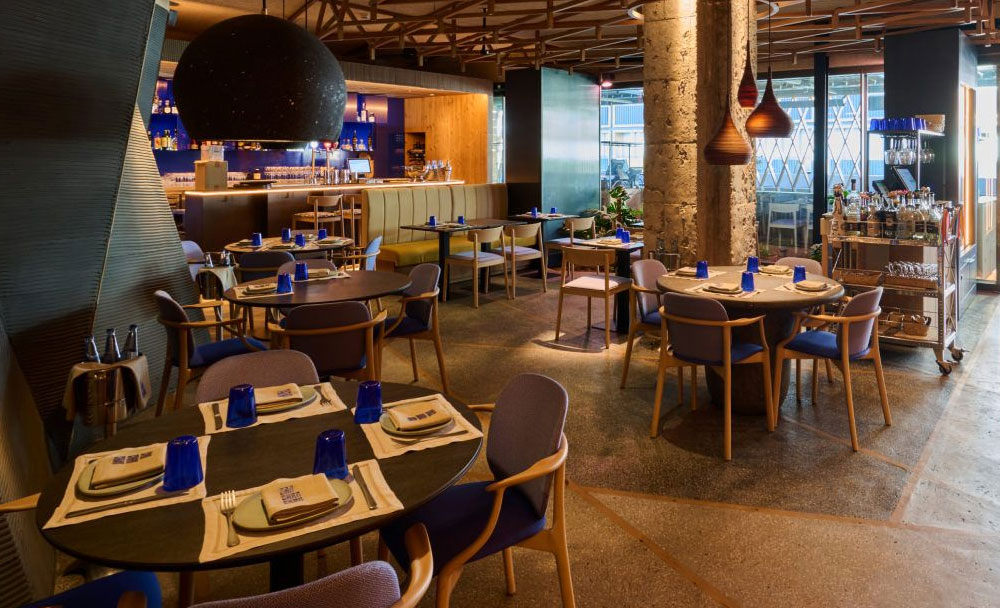
Moinsa, specialists in design for leisure spaces
At Moinsa we understand design in leisure spaces as a combination of creativity, strategy and functionality. We not only design places that attract attention; we also design spaces meant to be experienced, in order to connect with people and to give personality to each project.