
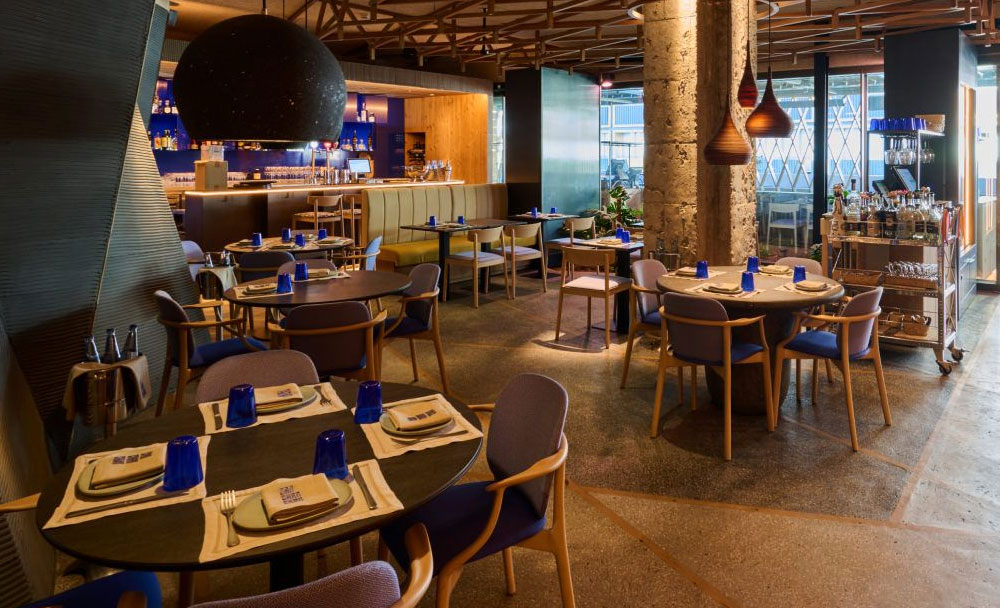
Three key factors in restaurant design
Specialised restaurant design goes far beyond just choosing tables and chairs or decorating walls. Each visual and functional element has a direct impact on the customer experience and the business’s identity. There are three key factors in this process: colours, lighting and layout of spaces.
In this post, we’ll look at how these elements affect the space and share the best tips to make your restaurant stand out and succeed.
Colours: appetite-stimulating emotions
Colour psychology plays a fundamental role in restaurant design. Colours are not just for decoration—they also communicate and evoke emotions while reinforcing a personalised and recognisable brand image.
Here are some examples of these colours:
| RED | ORANGE | These colours stimulate appetite and generate a sense of energy. They’re perfect for fast food spots or places with a high turnover of customers. |
| YELLOW | This colour brings a sense of joy, energy and dynamism like the ones mentioned above, but it should be used sparingly and in small details to avoid overwhelming the eye. It is usually used in combination with other more neutral tones. | |
| GREEN | EARTH TONES | These colours convey freshness, health and a natural vibe and are perfect for traditional, tropical, vegetarian or organic-focused restaurants. |
| BLUE | Although this colour conveys peace of mind, it’s often linked to a reduced appetite, so it’s best used sparingly in small decorative accents or in restaurants located in coastal areas. | |
Expert restaurant designers such as Moinsa help you choose the right colour palette that strengthens the venue’s identity and creates an atmosphere that matches the type of food and target audience.
Lighting: creating inviting atmospheres that make customers want to stay
Good lighting can completely transform the atmosphere of a restaurant. In restaurant design, this element should match the aesthetic while maintaining functionality and creating a unique atmosphere. To do this, you can choose from different types of lighting:
- Warm, soft light: creates an intimate and relaxing atmosphere, making it perfect for gourmet or romantic restaurants.
- Natural lighting: valued for its authenticity and visual comfort, it’s especially popular in coffee shops or venues with a healthy focus.
- Focused lighting: used to highlight key areas such as the bar, tables or certain decorative or brand elements.
It’s also important to consider energy efficiency by choosing LED lighting or adjustable systems that can adapt to different times of the day, helping to reduce costs and boost the business’s profitability.
Layout of spaces: comfort and efficiency in restaurant design
In restaurant design, the layout must strike a balance between aesthetics, functionality and smooth circulation. There are some essential points to consider:
- Customer flow: the entrance, waiting area and access to tables and restrooms should be intuitive, easily accessible and comfortable.
- Well-defined areas: separating the kitchen, dining area, bar and service zones usually improves organisation and enhances the customer experience.
- Flexible spaces: having movable tables or adaptable areas allows for greater versatility to accommodate different types of events, clientele or changes in capacity.
A good restaurant design not only improves the diner’s experience, but also optimises and improves staff performance, thus increasing the restaurant’s operational efficiency.
Moinsa, expert restaurant designers
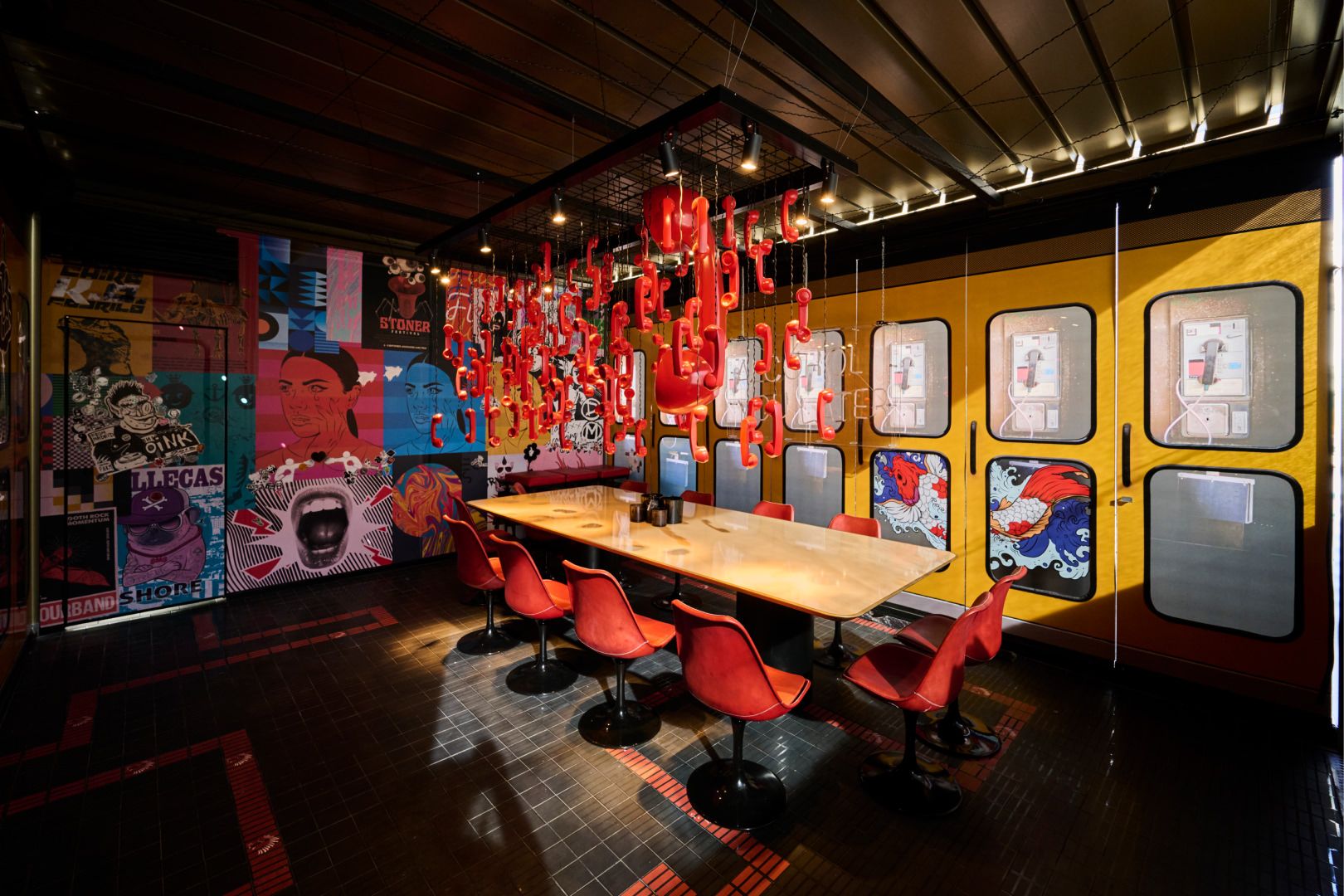
Restaurant design is a discipline that combines aesthetics, functionality and consumer psychology. The right colours, sound and lighting, as well as smart space distribution, can be the difference between a forgettable spot and a truly memorable experience. Working with an expert company restaurant design is key to standing out in a competitive market and winning over diners from the moment they walk through the door.